/prod01/fit-cdn-pxl/media/fit-website/site-assets/images/FT-Horiz_crimson-gold.png)
/prod01/fit-cdn-pxl/media/training/samantha/space-2.png)
Is the Future of Mankind Dependent on a Mars Colony?
Type Mars in a Google search and you'll quickly see that traveling 33 million miles from Earth to the red planet, and ultimately colonizing there, is a hot topic for scientists, entrepreneurs, astronauts and anyone with an adventurous spirit.
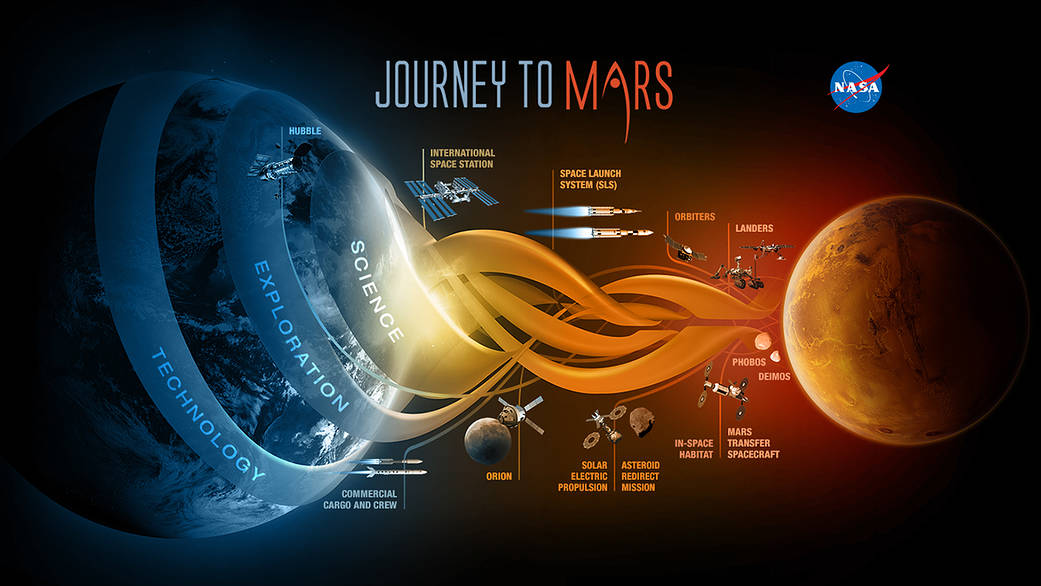
NASA, private companies, nonprofit societies and research organizations are aggressively tackling the many facets of such an enormous undertaking. While we are many years away from being able to send humans to create a Mars colony, there is steady scientific and technological process aimed at that ultimate goal by 2030, with numerous rovers and robots currently operating on or circling around Mars, along with dedicated research and exploration programs paving the way for human exploration.
With Silicon Valley entrepreneurs and newly formed private companies stepping up to the plate to fund engineering and set Mars exploration on the front burner, there's no shortage of curiousity, idealism, and confidence about making travel, exploration, ans survival on Mars a reality. And there's no shortage of space research in the news.
Dr. Jim Green, NASA Chief Scientsist, recognizes the focus on Mars isn't going away. "I think the generation today is the Mars generation," he told Inverse. "When we landed Curiosity on Mars, we had the world's attention. I immediately recognized there is a new generation in town, and it's the Mars generation." And recently, The Astrobiological Research and Education Society explained why going to Mars is of key importance to humanity.
 As scientists simulate Mars missions in the dusty desert of Saudi Arabia, plan to build a large Mars test settlement in Dubai, and companies build rockets in hopes they eventually are the vehicles to take man to Mars, others, like University of University of, feel that the interest in a Mars colony is really more about the driving desire to explore the universe, not to save the Earth.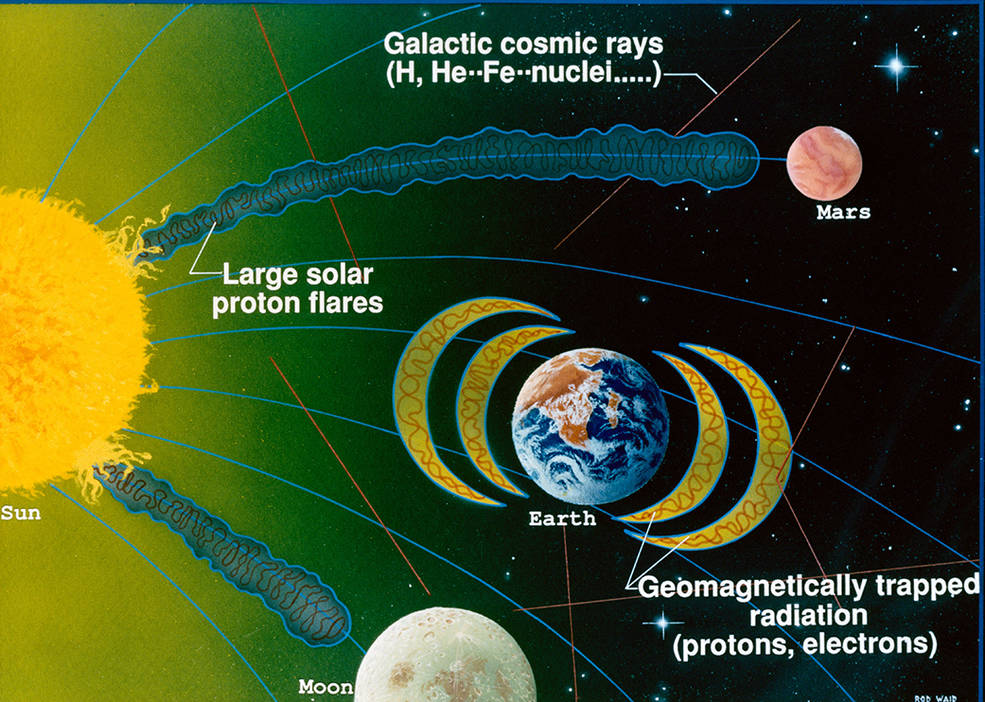
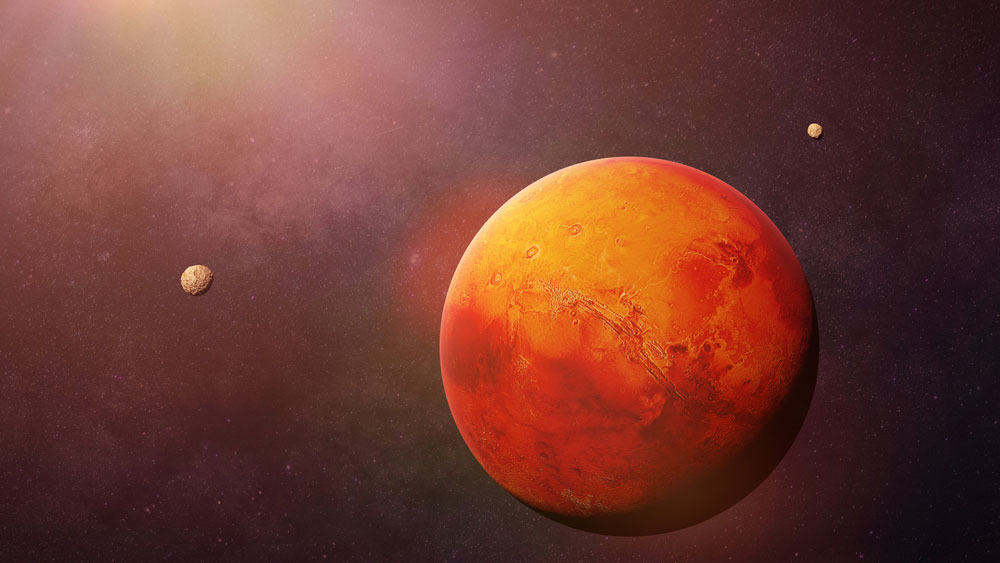
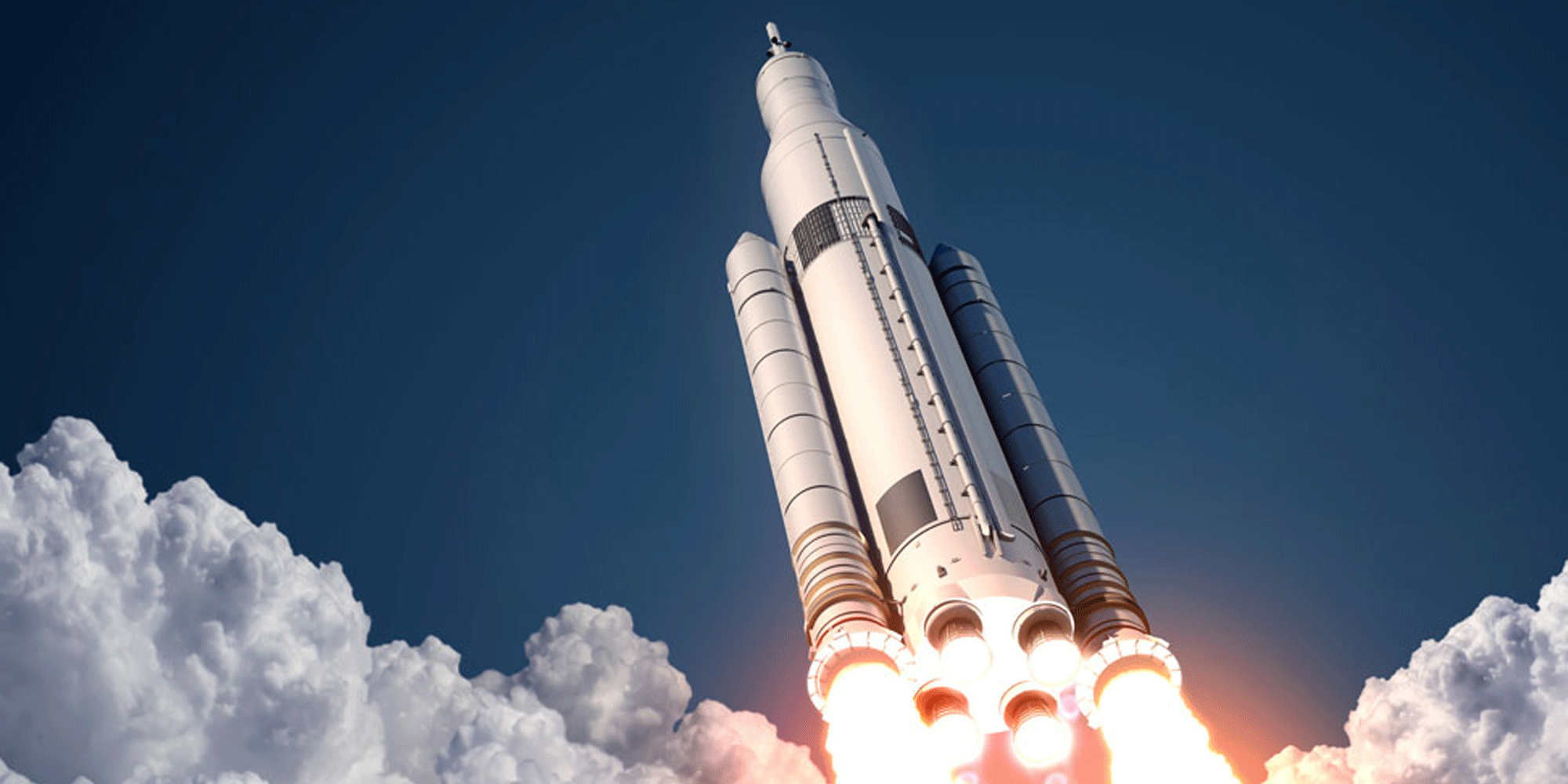





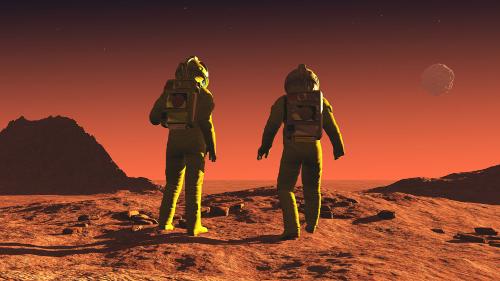 When Americans landed on the Moon more than 50 years ago, leaders at NASA set their sights on Mars as the next destination in our solar system. Now that seemingly unattainable mission is challenging any and all who want to get involved to make it happen - and there's no lack of motivation that it can be done in the next 20 years.