MENU

What is Environmental Science?

Get a Master's in Environmental Science

The Environmental Science Graduate Certificate

Earn an Ed.S. in Environmental Science

The Ph.D. in Environmental Science

Advance understanding of natural environmental systems through rigorous, interdisciplinary research and field-based inquiry.

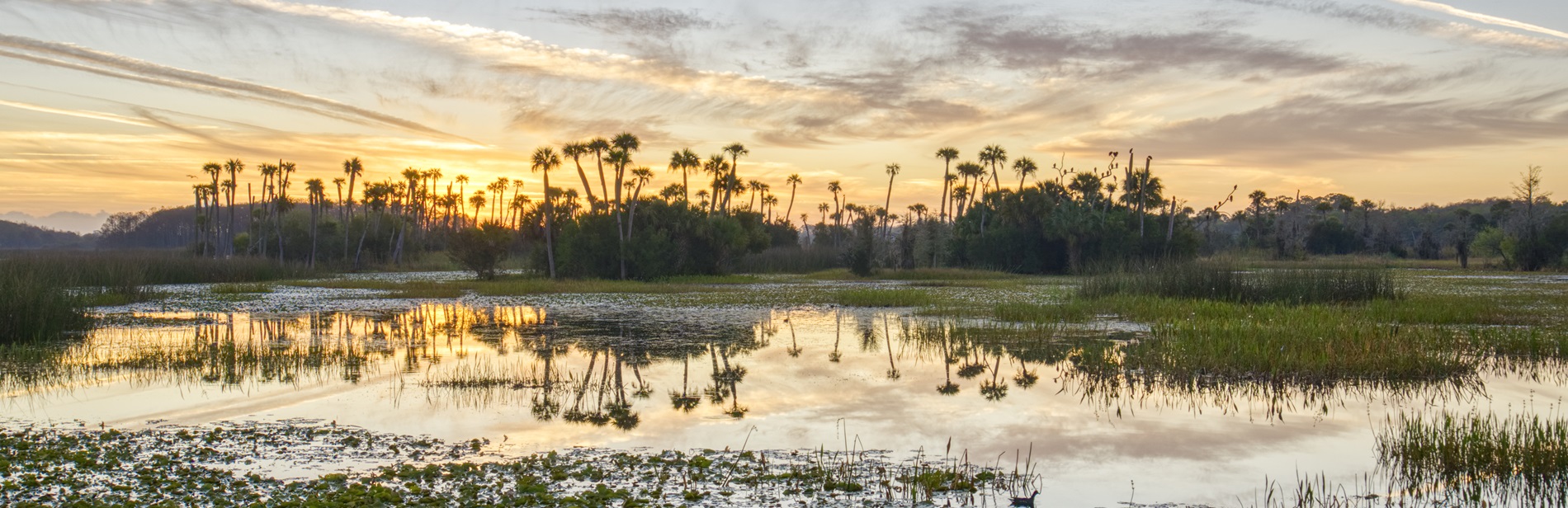
Florida Tech’s Ph.D. in environmental science prepares students to investigate complex environmental challenges by integrating biological, chemical and physical science approaches. With access to specialized research labs, field facilities and nearby ecosystems such as the Indian River Lagoon and the Atlantic Ocean, students gain hands-on experience addressing problems of local and global importance.

Working closely with faculty advisors, students conduct original dissertation research, develop expertise in experimental design, data analysis and scientific communication, and contribute new knowledge to the environmental sciences through publication and presentation.

Tier 1
Best National University
U.S. News & World Report
Top 5.8%
World University Ranking
The Center for World University Rankings

Why Choose Florida Tech for Environmental Science?

Florida Tech’s environmental science Ph.D. emphasizes individualized, advisor-guided research supported by specialized laboratories, advanced instrumentation and extensive field-based study. Located near a wide range of coastal and estuarine systems, the program enables doctoral students to integrate laboratory analysis with immersive fieldwork that directly informs their dissertation research.

Ph.D. students at Florida Tech benefit from small class sizes and close faculty mentorship that supports independent, research-focused study.

Interdisciplinary collaboration draws on expertise from science, mathematics and engineering, providing a strong foundation for addressing complex environmental problems.

Faculty advisors guide students through all stages of doctoral training, from research design and implementation to publication and professional preparation.

The Ph.D. in environmental science is a research-driven degree. Students pursue advanced study in the assessment, management and preservation of natural resources, with an emphasis on understanding environmental processes, ecosystem dynamics and applied solutions.

The program culminates in a substantial, original dissertation. Doctoral students are expected to publish significant findings in refereed journals and present their research to peers and experts.

Research topics may include water quality, nutrient and sediment dynamics, eutrophication, restoration strategies and other challenges in aquatic and terrestrial systems.

Florida Tech offers a range of research facilities supporting both laboratory- and field-based environmental science.

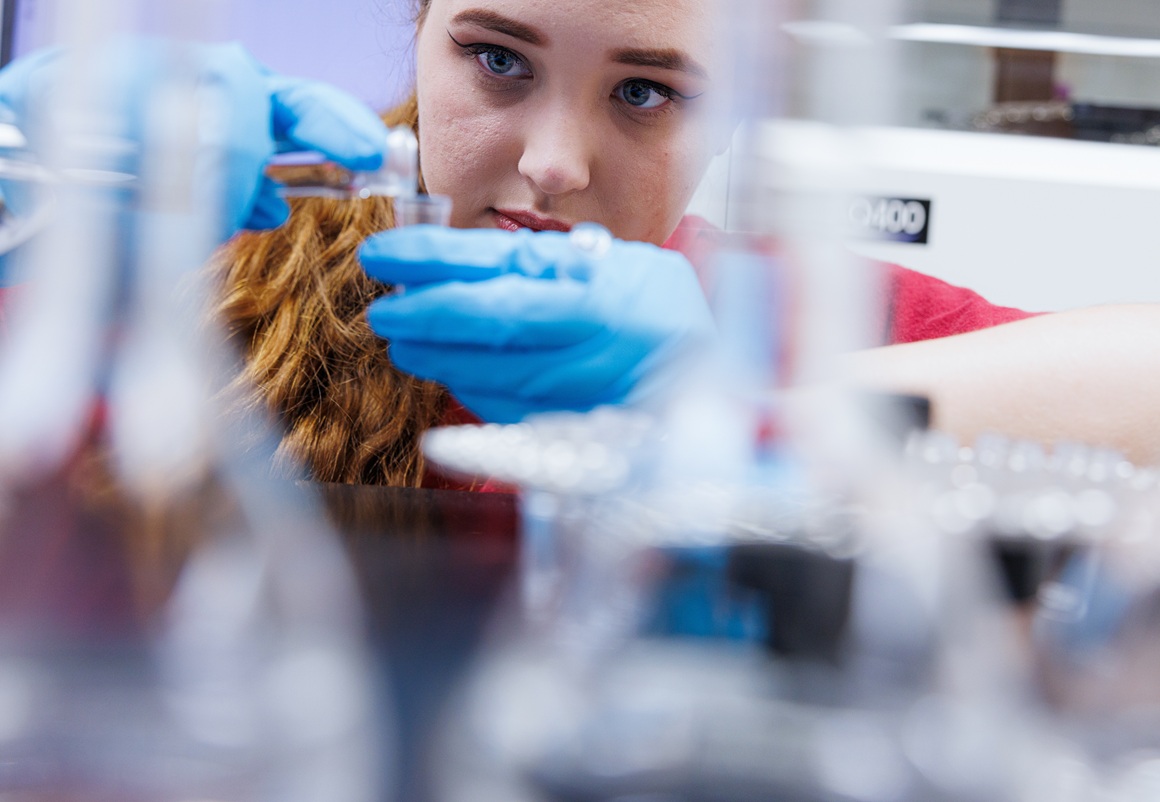
On campus, students work in laboratories such as the Marine and Environmental Chemistry Laboratory, the F.W. Olin Physical Sciences Center and the L3Harris Center for Science and Engineering, with instrumentation for water quality analysis, sediment studies, core-boring and other advanced research techniques.

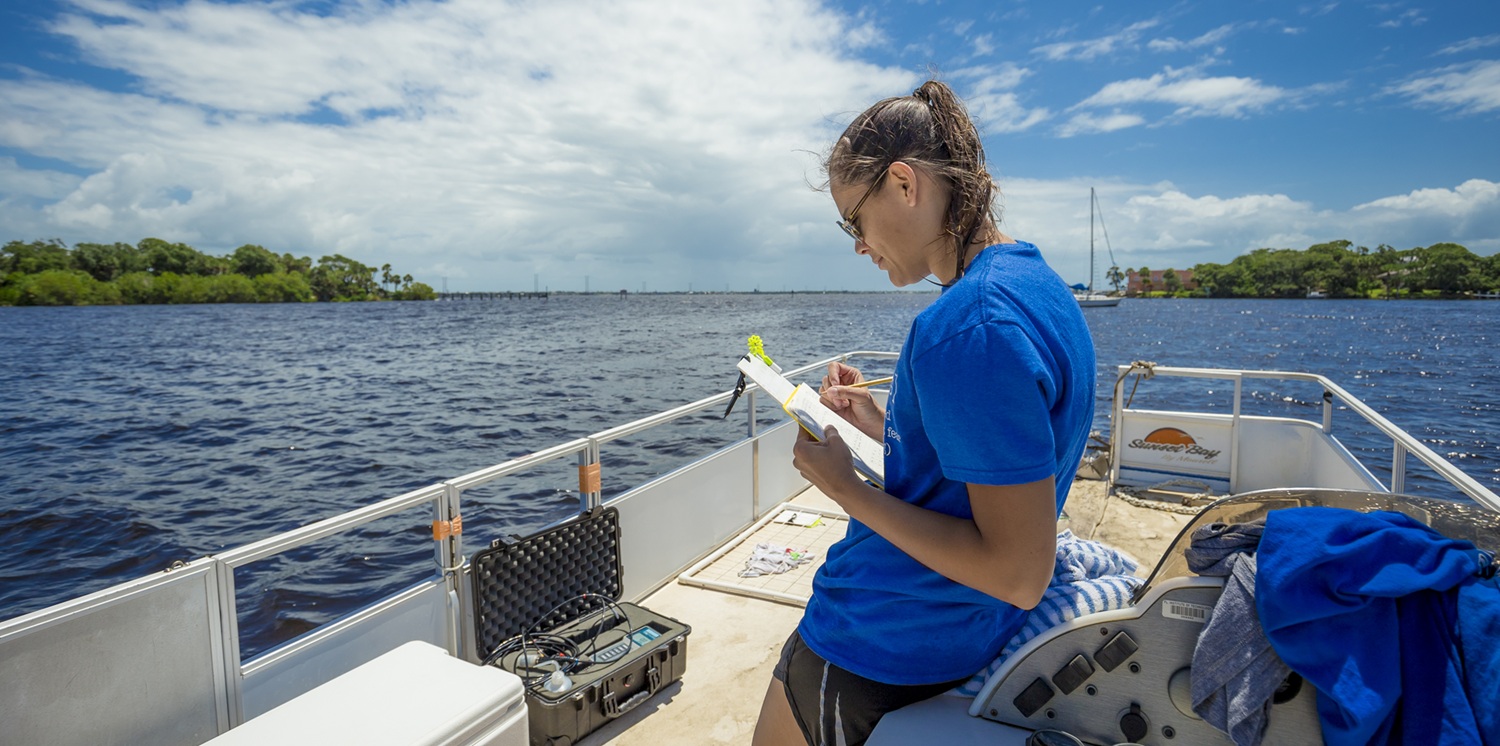
Field access includes the Ralph S. Evinrude Marine Operations Center and the Mertens Marine Center, which provide boats and waterfront laboratories for research in the Indian River Lagoon, a highly biodiverse estuarine system, and surrounding ecosystems. These resources support interdisciplinary research and the development of advanced experimental expertise in real-world settings.

Academic units at Florida Tech may offer graduate student assistantships to full-time, degree-seeking graduate students on a competitive basis.

Teaching Assistants (TAs) support faculty in teaching undergraduate and graduate courses, including tasks such as grading, tutoring and conducting office hours. First-time TAs attend a teaching assistant seminar to prepare for their responsibilities.

Research Assistants (RAs) collaborate with faculty on projects funded by government agencies, private sponsors and university research funds.

For current information regarding available assistantships, please contact the Department of Ocean Engineering and Marine Sciences.

Florida Tech offers a safe and welcoming campus environment that supports advanced research alongside personal well-being. The campus includes extensive green spaces, such as the Joy and Gordon Patterson Botanical Garden, along with facilities like the Holzer Health Center and Clemente Center for health, fitness and stress management.

Located minutes from the Indian River Lagoon and 72 miles of Atlantic beaches, the university combines access to outdoor recreation with proximity to industry and government organizations that contribute to research collaboration and career development.

Graduate students from around the world come together at Florida Tech in a campus community that fosters international collaboration and innovation. This environment encourages students to work across cultures and perspectives, preparing them for research and professional settings around the globe.

International Student and Scholar Services (ISSS) supports international students throughout their academic journey, providing guidance on immigration matters, serving as a liaison with sponsoring agencies and foreign governments, and sharing information about campus and community resources.

Applicants must hold a bachelor’s or master’s degree in environmental science, biology, chemistry or a related science discipline. In some cases, prerequisite coursework may be required before beginning the doctoral program. Prospective students are encouraged to contact faculty to discuss research interests and identify a potential advisor.

Please see our graduate admission requirements for more information.

Careers in Environmental Science

A Ph.D. in environmental science prepares graduates to advance knowledge, inform policy and apply scientific expertise to complex environmental challenges. Students develop advanced skills in experimental design, data analysis and problem-solving applicable to academic, government and applied research settings.

Graduates pursue postdoctoral research, faculty positions or research leadership roles at universities, and serve as scientists, policy analysts and environmental specialists in federal and state agencies. Others apply their expertise in consulting, restoration planning, sustainability or industrial ecology.

Employers include a range of universities, government agencies such as the Environmental Protection Agency (EPA) and U.S. Fish and Wildlife Service, and other organizations involved in environmental research and management.

Note: Employment data reflect positions commonly associated with this field. Many Ph.D. graduates go on to academic, leadership and advanced research, technical and analytical roles not captured here.

Florida Tech Career Services helps students, alumni and employers connect through career planning, job search support and recruitment resources.

For information on job outlook, pay and working conditions in this field and related fields in the United States, see the Occupational Outlook Handbook from the U.S. Bureau of Labor Statistics.

Advanced Degree Options

Explore Doctoral Research

The dissertation is the cornerstone of the Ph.D. in environmental science and represents a program of significant, original research.

Doctoral research emphasizes understanding and managing coastal, estuarine and nearshore ecosystems, with focus areas that include water quality, nutrient and sediment dynamics, eutrophication and restoration strategies.

Doctoral candidates are expected to publish a substantial portion of their findings in refereed national or international journals, establishing expertise within the field.

Browse recent dissertations in the Florida Tech Scholarship Repository.

Explore the Environmental Science, Ph.D., Curriculum

The Environmental Science, Ph.D., Curriculum

The Ph.D. in environmental science is a research-focused degree that develops advanced expertise for addressing complex environmental challenges.

Coursework builds a strong foundation in biological, chemical and physical sciences, including remote sensing and analytical methods, while allowing flexibility to select courses and research topics in consultation with a faculty advisor.

The program culminates in a dissertation, a substantial original research project expected to result in professional publication.

Graduates are prepared to address environmental challenges across a range of ecosystems and processes in research institutions, industry and government agencies.

A minimum of 42 credits beyond a master’s degree is required.

Check the catalog for a description of all courses. Check the catalog for detailed degree requirements.

Download the Environmental Science, Ph.D., Curriculum now!

A student conducting an experiment in a lab

Environmental Science Research

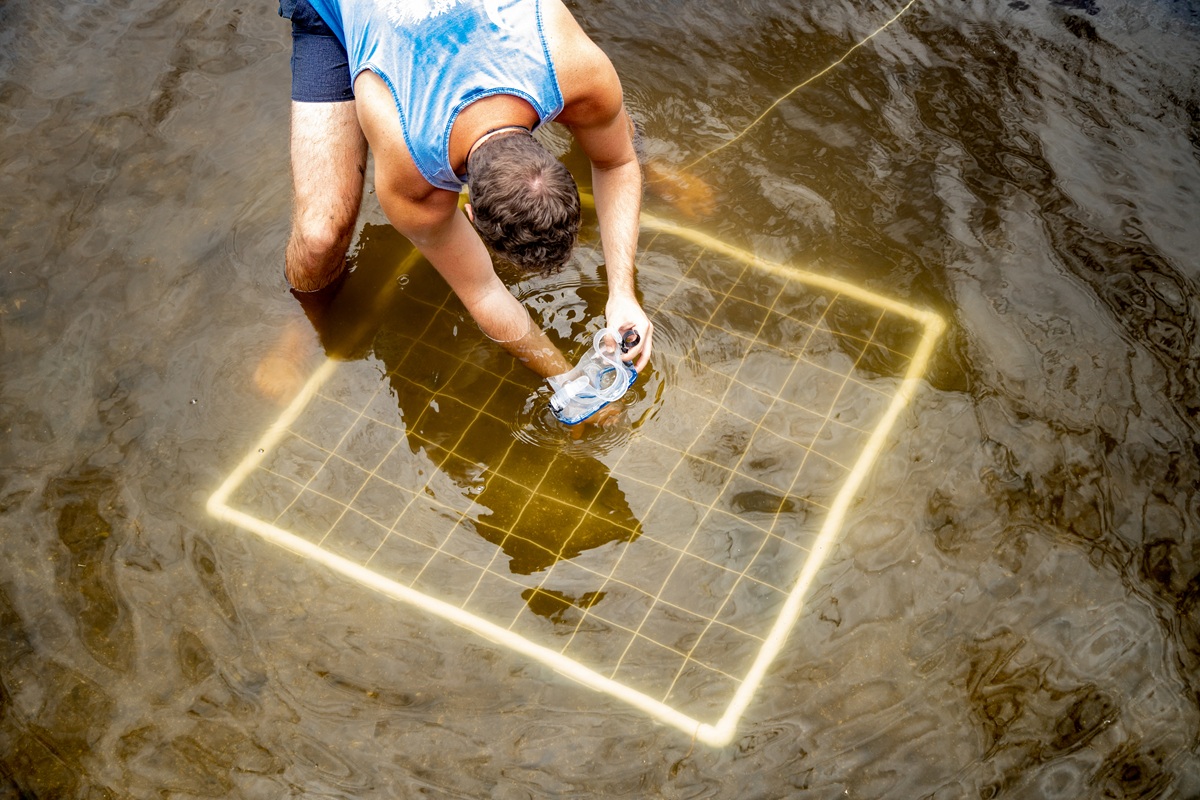
A student uses a quadrat to record data about Indian River Lagoon organisms

At Florida Tech, environmental science research develops new expertise and solutions through field, laboratory and analytical work, supported by access to unique ecosystems such as the Indian River Lagoon, one of the most biodiverse estuaries in North America.

Doctoral candidates conduct original research designed to inform policy, guide conservation efforts and advance understanding of fragile ecosystems worldwide.

Faculty and students collaborate on interdisciplinary investigations addressing complex, real-world environmental challenges.

Research topics may include:

  • Harmful algal blooms and impacts on marine mammals
  • Stormwater runoff in rivers and estuaries
  • Groundwater seepage and dissolved oxygen dynamics in lakes
  • Trace-metal and organic contamination in aquatic systems
  • Acid deposition and trophic-state classification
  • Hyperspectral remote sensing
  • Decomposition and sedimentation processes of aquatic macrophytes

Learn more about Environmental Science at Florida Tech on the Ocean Engineering and Marine Sciences website.

Waterfront Facilities for Advanced Research

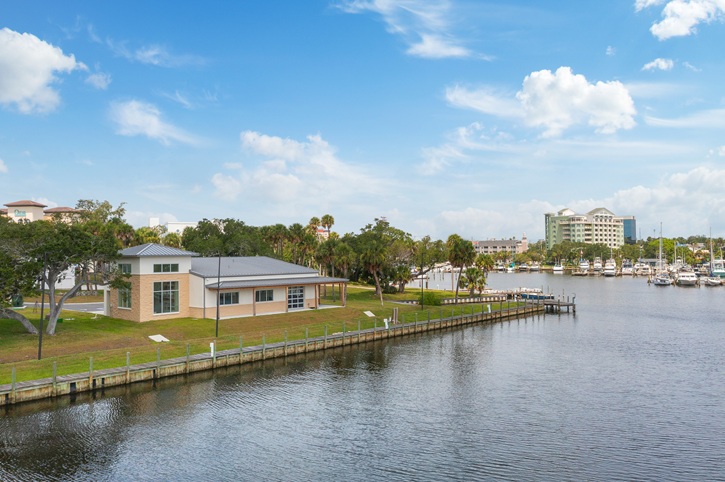
Just minutes from campus where Crane Creek meets the Indian River Lagoon, the Ralph S. Evinrude Marine Operations Center and Mertens Marine Center support a wide range of research projects.

Small outboard-powered boats and medium-sized workboats are available for shallow-water studies, with ocean-going vessels chartered for extended offshore research.

The Mertens Marine Center serves as a hub for doctoral research and advanced hands-on training. On-site laboratories allow samples to be processed immediately, supporting time-sensitive experiments and field-intensive studies.

Image: The Mertens Marine Center at the edge of the Atlantic Intracoastal Waterway. Photo credit: Pink Flamingo Photography, Jennifer Schumacher
Loading...
Edit Page