

#651 - Mothers in Prison
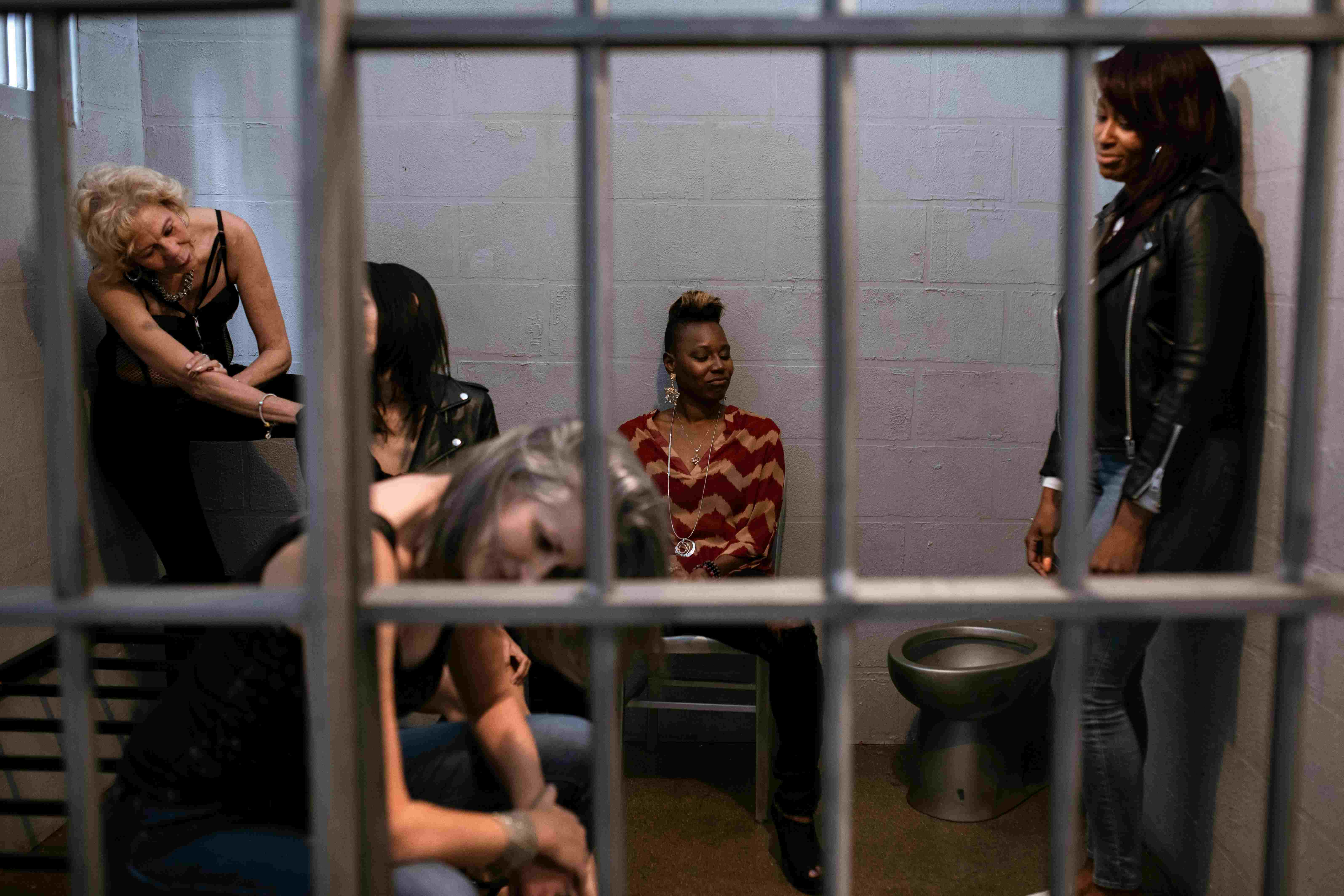
How do women in prison experience pregnancy and motherhood?
Brazilian researchers interviewed 42 incarcerated women who were pregnant, breastfeeding, or had given birth while imprisoned. They examined their attitudes towards motherhood using psychological tests and semi-structured interviews. The researchers analyzed participants’ responses to uncover how these women think and feel about motherhood under such difficult conditions.
Results? Half of the women were married and had two or more pregnancies. Half had had abortions and reported one or more prior miscarriages. Their responses reflected suffering from being separated from their children. The most common words used to describe their motherhood in prison were “separation,” “sadness,” “pain,” and “fear.” Many shared the emotional trauma of being taken from their babies, often just 6 months after birth. Some feared losing their children to adoption or the justice system. Using words like “violence,” “regret,” and “anguish” illustrated a clear picture of suffering and emotional conflict. However, some described feeling strong or hopeful despite their lack of support.
Written by Kristin M. Harris, Ph.D.