

#662 - Social Media Habits
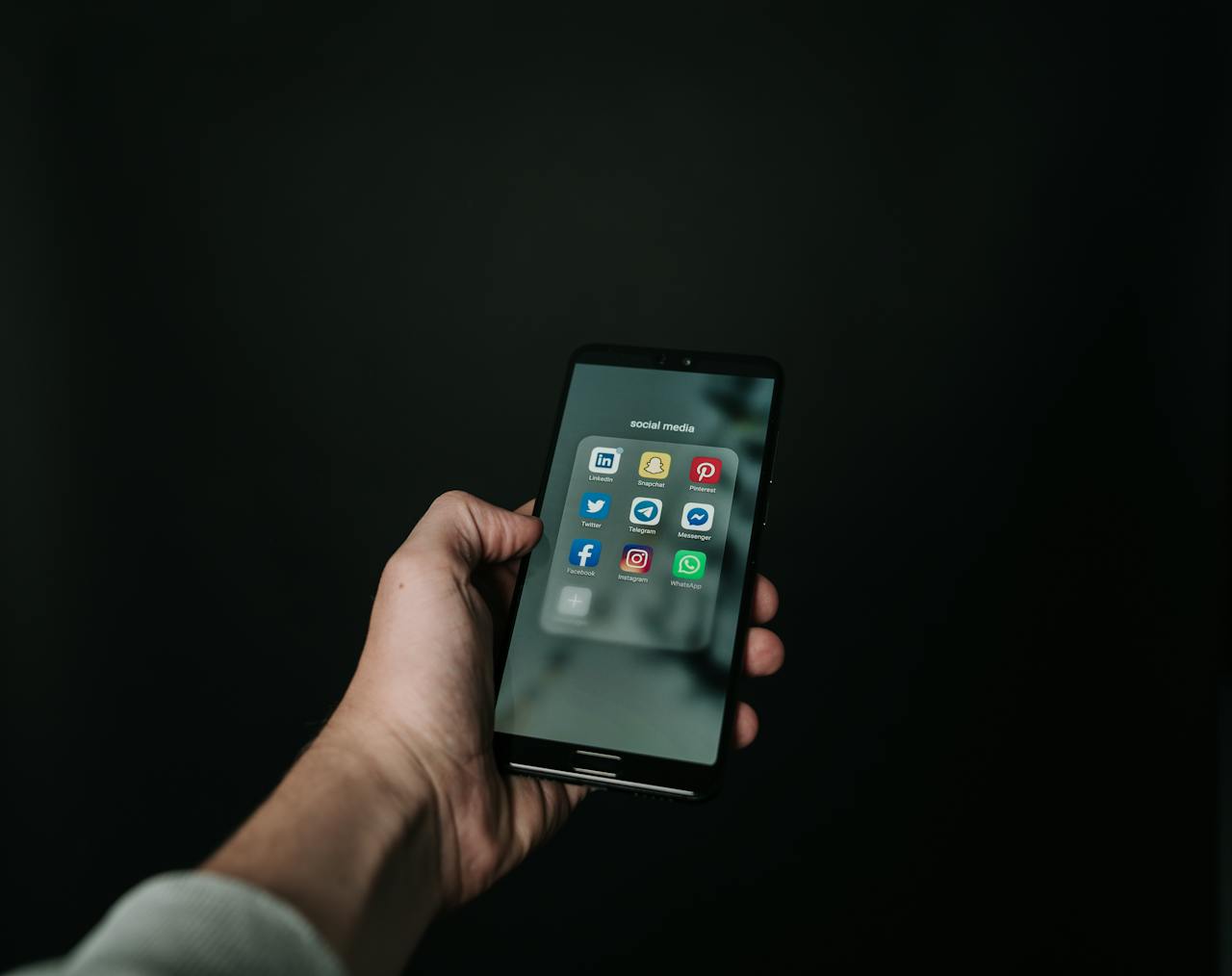
Is your social media habit helping, or hurting you? With social media woven into daily routines, understanding how different types of use affect mental health is more important than ever. In the digital age, everyone uses social media differently. British researchers wanted to know which types of use impact long-term mental health.
They followed over 15,000 UK adults in a national survey study, asking about symptoms of depression and anxiety alongside patterns of social media use. The researchers studied 3 types: active use (posting and commenting), passive use (scrolling and viewing), and functional use (messaging and reading news).
Results? Passive use was consistently linked to worse mental health, especially for women. Active use showed smaller negative effects. Functional use had no harmful association. Most notably, when people reduced their passive use over time, their mental health improved!
Conclusions? It’s not just how much time you spend online; it’s how you use it. You don’t need to log off completely. Shift the way you engage! Social media shapes how you feel! Mindful scroll use can help you feel more connected, less overwhelmed, and more in control of your day.
Written by Alyssa Fox, Psychology Undergraduate