/prod01/fit-cdn-pxl/media/fit-website/site-assets/images/FT-Horiz_crimson-gold.png)
/prod01/fit-cdn-pxl/media/general-use-photos/ThinkstockPhotos-611992272.jpg)
#672 - Mind Over Mood
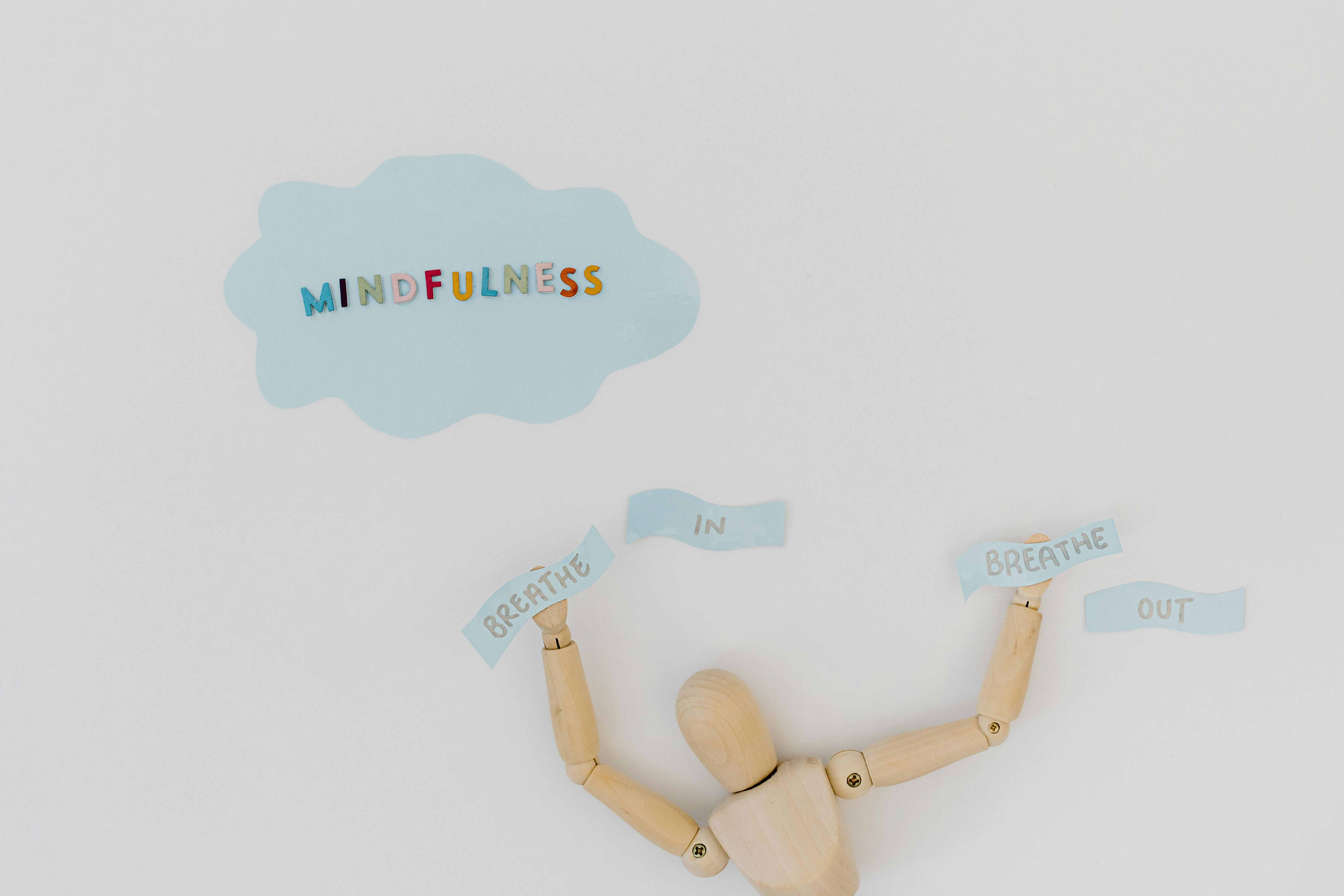
Can training your mind really calm your emotions? Turkish researchers explored how mindfulness relates to depression, anxiety, and overall well-being among university students. They studied how paying attention to the present moment—without judgment—can buffer the mental strain many students face.
Researchers measured 350 college students on their Attention, Depression, Anxiety, and Mindfulness (meaning: awareness and acceptance of immediate internal and external happenings). They examined how mindfulness connects with depression, anxiety, and overall well-being. Questioning: Does being more present and aware help protect students’ mental health?
Results? Students with higher mindfulness report lower levels of anxiety and depression and greater emotional stability. Mindfulness, like a mental filter, reduces rumination, eases stress, and improves mood. In contrast, students with lower mindfulness showed more anxiety, depression, and poorer well-being.
Practice mindfulness! Observe your thoughts, feelings, and life around you! View your breathing, pay attention to small positive happenings: your thinking, your eyes, which can see what you appreciate. Touch something smooth, beautifully designed. Notice thoughts without judgment—focus on the present, not the future. This can help calm your mind and restore clarity. Start small—take a mindful breath, notice your thoughts, and let calm lead the way.
Written by Kristin M. Harris, Ph.D.