/prod01/fit-cdn-pxl/media/fit-website/site-assets/images/FT-Horiz_crimson-gold.png)
/prod01/fit-cdn-pxl/media/general-use-photos/ThinkstockPhotos-611992272.jpg)
#673 - Court and Mental Illness
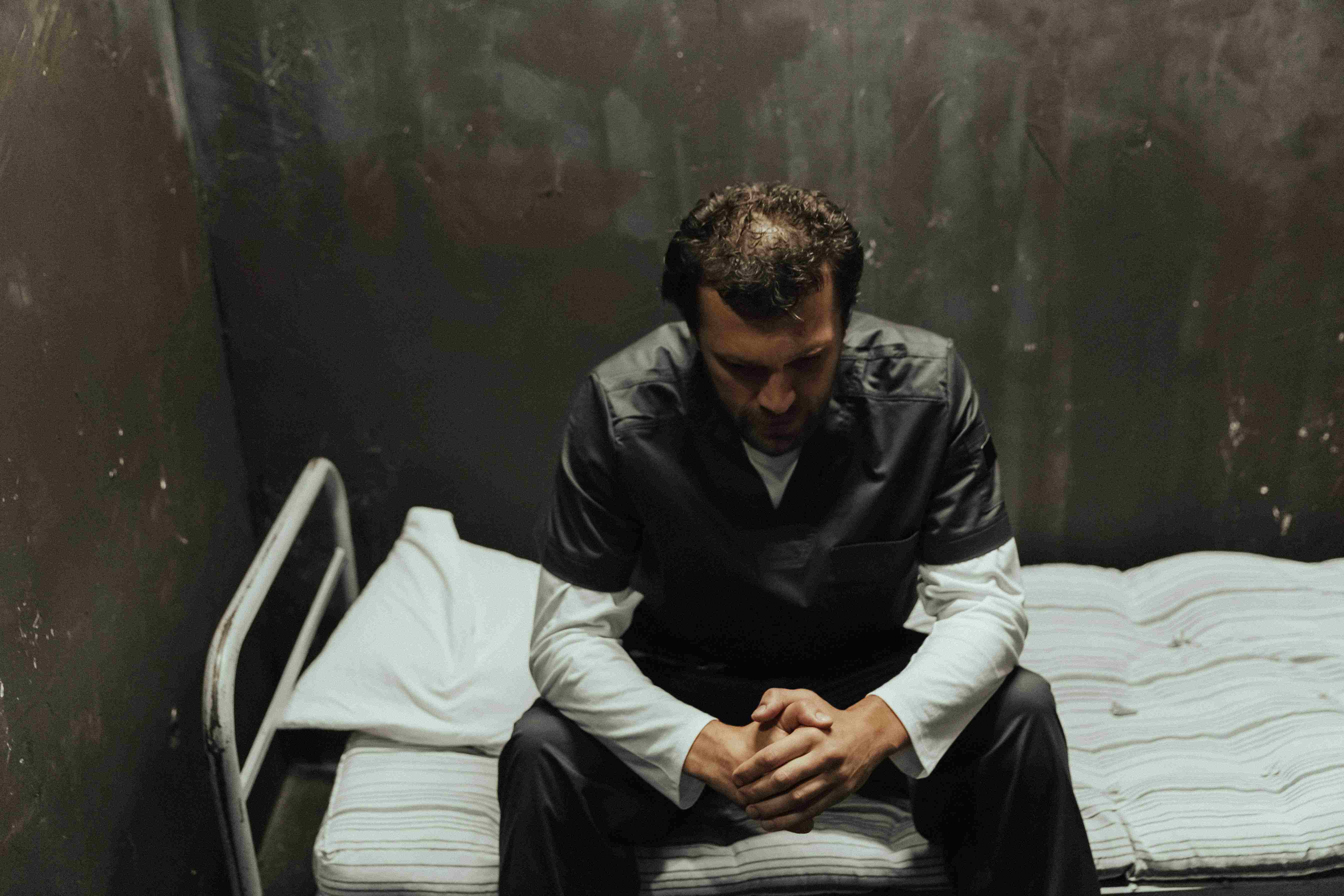
How are criminal offenders with mental illness treated? As patients, or as criminals? Greek researchers explore the attitudes of health workers, mental health professionals, and police staff toward people who commit crimes, yet live with mental illness. Using a detailed survey of 546 professionals, they measured empathy, stigma, and willingness to help using scales that measured social distance and Community Attitudes Toward the mentally ill.
Results? Mental health professionals show more empathy and less fear than police officers, while healthcare workers fall in between. Yet stigma persists across all groups—especially beliefs that mentally ill offenders are dangerous or unpredictable. Women and those with mental health training tend to express more positive attitudes. The findings reveal that professional role, experience, and education shape how people perceive and respond to mentally ill offenders.
Mental Health Courts are only available in some jurisdictions. They have trained mental health professionals, judges, and deputies who handle those with mental health needs more humanely. They provide the services to address the underlying mental health issues that may have contributed to the offense. Awareness training, education, and real human contact help shift clients from fear to understanding. Advocate for using Mental Health Courts in your communities.
Written by Kristin M. Harris