

#684 - Pain & Self-Worth
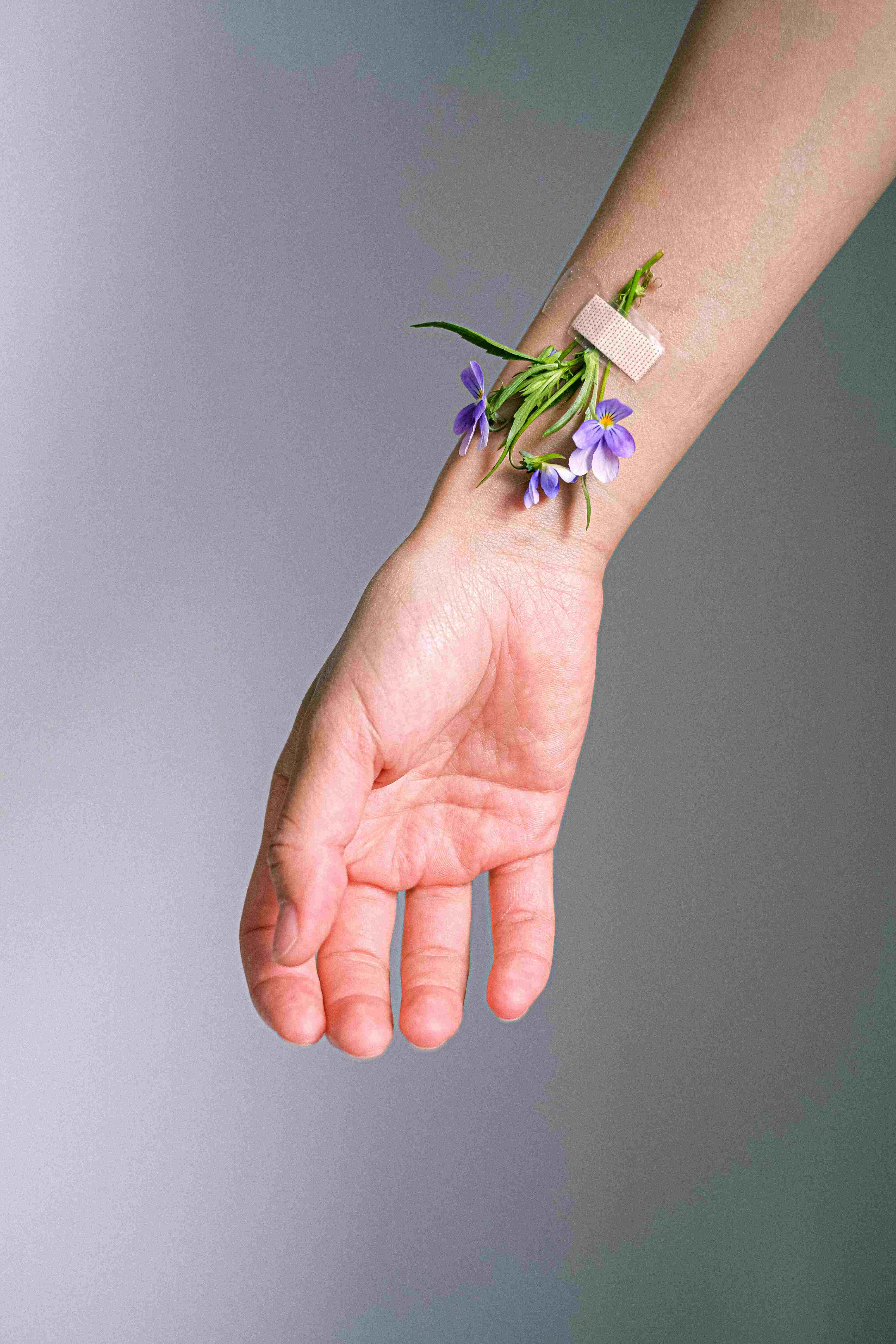
Why do some teens cope with emotional pain by hurting themselves, like cutting or burning skin?
Chinese researchers aimed to understand whether adverse childhood experiences relate to self-hate and to non-suicidal self-injury. They had over 7,000 adolescents between the ages of 12 and 18, from middle and high schools, complete confidential online questionnaires. These measured self-hate and non-suicidal self-injury, plus adverse childhood experiences. These included sexual or physical abuse, neglect, and family dysfunction like domestic violence, parental separation/divorce, or household members with substance abuse problems, mental illness, or involved in the criminal justice system.
Results? Adolescents who reported more early adversity also reported higher levels of self-hate and a greater likelihood of self-injury. Adverse childhood experiences related to both forms of non-suicidal self-injury - behaviors with and without visible tissue damage. The findings suggest that self-hate is an important part of this connection, linking early adversity to a higher risk of self-harming behavior.
Parents! If you have personal difficulties, consider seeking therapy. Address your own issues and learn how to be a loving, caring parent. Then, your children will more likely grow up with more positive feelings about themselves and be less likely to harm themselves.
Written by Kristin M. Harris, Ph.D.