/prod01/fit-cdn-pxl/media/fit-website/site-assets/images/FT-Horiz_crimson-gold.png)
/prod01/fit-cdn-pxl/media/general-use-photos/ThinkstockPhotos-611992272.jpg)
#701 - Sleep vs. Mood
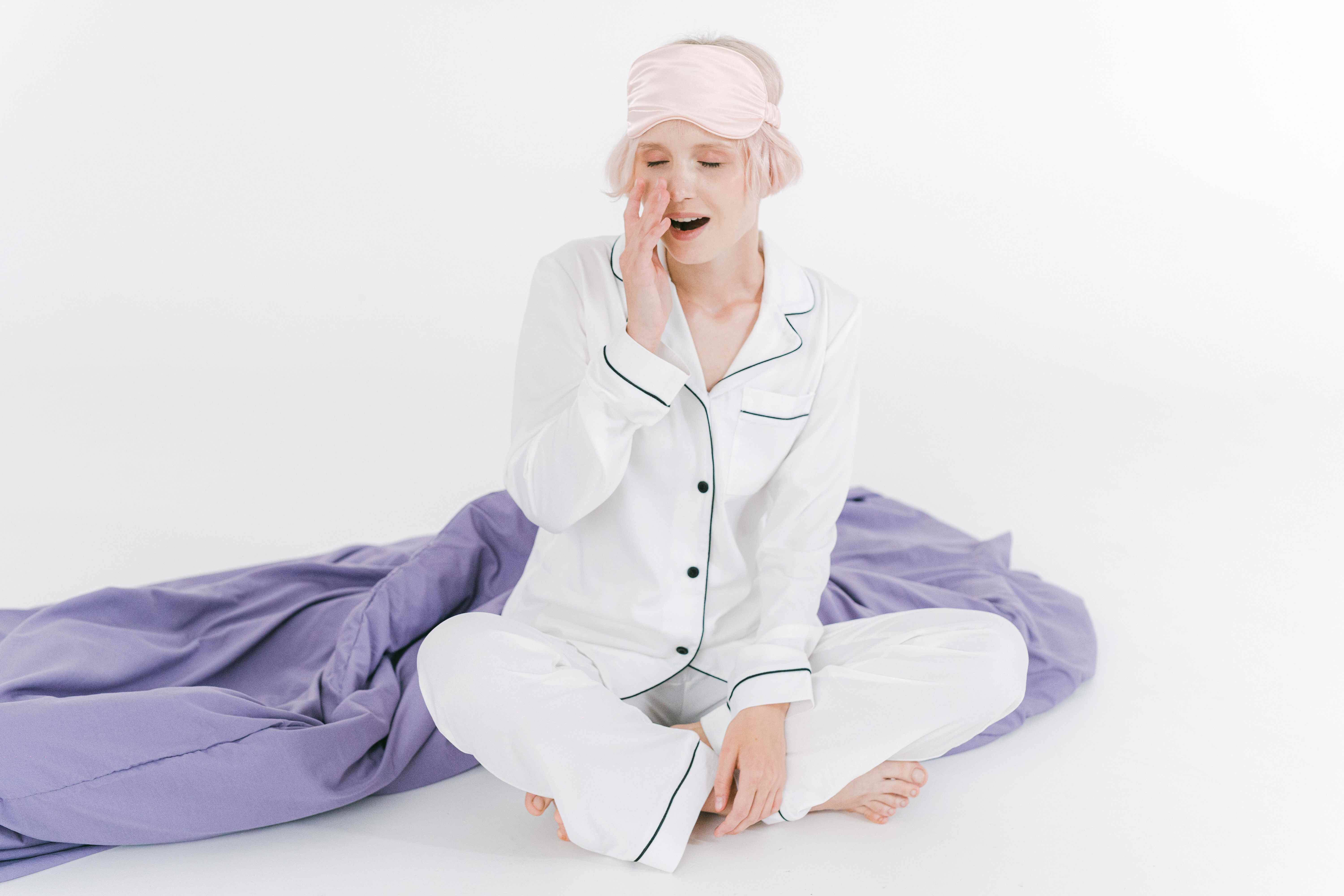
What role does anxiety play in relation to sleep quality and a person’s perceived stress?
Serbian psychologists and health researchers studied whether stress helps explain the link between sleep quality and symptoms of anxiety and depression. Over four weeks, they surveyed 430 students (~60% female) in healthcare and preventive medicine living in Hangzhou, China. They measured sleep quality, perceived stress, and internalizing symptoms such as anxiety and depression. The goal was to determine whether poor sleep predicts later mental health difficulties and whether stress plays a role.
Results? Students reporting poorer sleep reported more anxiety and depression. Additionally, those who lacked sleep disclosed greater mental health problems, with poor sleep increasing perceived stress, contributing to greater anxiety and depression.
Instead of focusing on stress or mood when trying to improve your mental health, sleep may be the key starting point. Better sleep appears to strengthen resilience to stress and reduce emotional distress.
Plan well! Focus on getting your work done first instead of scrolling or watching TV so you can get more sleep! Improve your sleep quality to lower your stress! Thus, reduce the likelihood of anxiety and depression becoming more serious mental health problems!
Written by Dan Peacock B.S.