General references: 1, 2, Sapolsky, R. (2004). Why Zebras Don’t Get Ulcers. Henry Holt & Company. New York: New York. 2Mcmillan, F.D. Stress distress, and emotion: distinctions and implications for animal well being. Mental Health and Well Being in Animals. Ames, Iowa: State Press. Peer-reviewed references: 3Greenwood, B.J., Foley, T.E., Day, H.E.W., Campisi, J., Hammack, S.H., Campeau, S., Maier, S.F. and Fleshner, M. (2003). Freewheel Running Prevents Learned Helplessness/Behavioral Depression: Role of Dorsal Raphe Serotonergic Neurons. The Journal of Neuroscience, 23 (7), 2889-2898. 4Lepore, S. ,Mata, K., Allen, B., & Evans, G. (1993).Social Support Lowers Cardiovascular Reactivity to an Acute Stressor. Psychosomatic Medicine, 55:518-524. 1,2Mitra, R. and Sapolsky, R.M. (2008). Acute corticosterone treatment is sufficient to induce anxiety and amygdaloid dendritic hypertrophy. Proceedings of the National Academy of Science, 105 (14), 5573-5578. www.pnas.org_cgi_doi_10.1073_pnas.0705615105 1Sorrells, S.F., Caso, J.R. , Munhoz, C.D. and Sapolsky, R.M. (2009). The Stressed CNS: When Glucocorticoids Aggravate Inflammation. Neuron, 64 (1), 33-39. 4Uchino, B., Cacioppo, J., Kiecolt-Glaser, J. (1996). The Relationship Between Social Support and Physiological Processes: A Review With Emphasis on Underlying Mechanisms and Implications for Health. Psychological Bulletin, 119 (3), 488-531.
We are living in turbulent economic times that can be extremely stressful. When stress is viewed from the perspective of the animal kingdom long term psychological stress is a recent invention limited to social primates and humans. When is the last time that an otter had to worry about their home going into foreclosure?
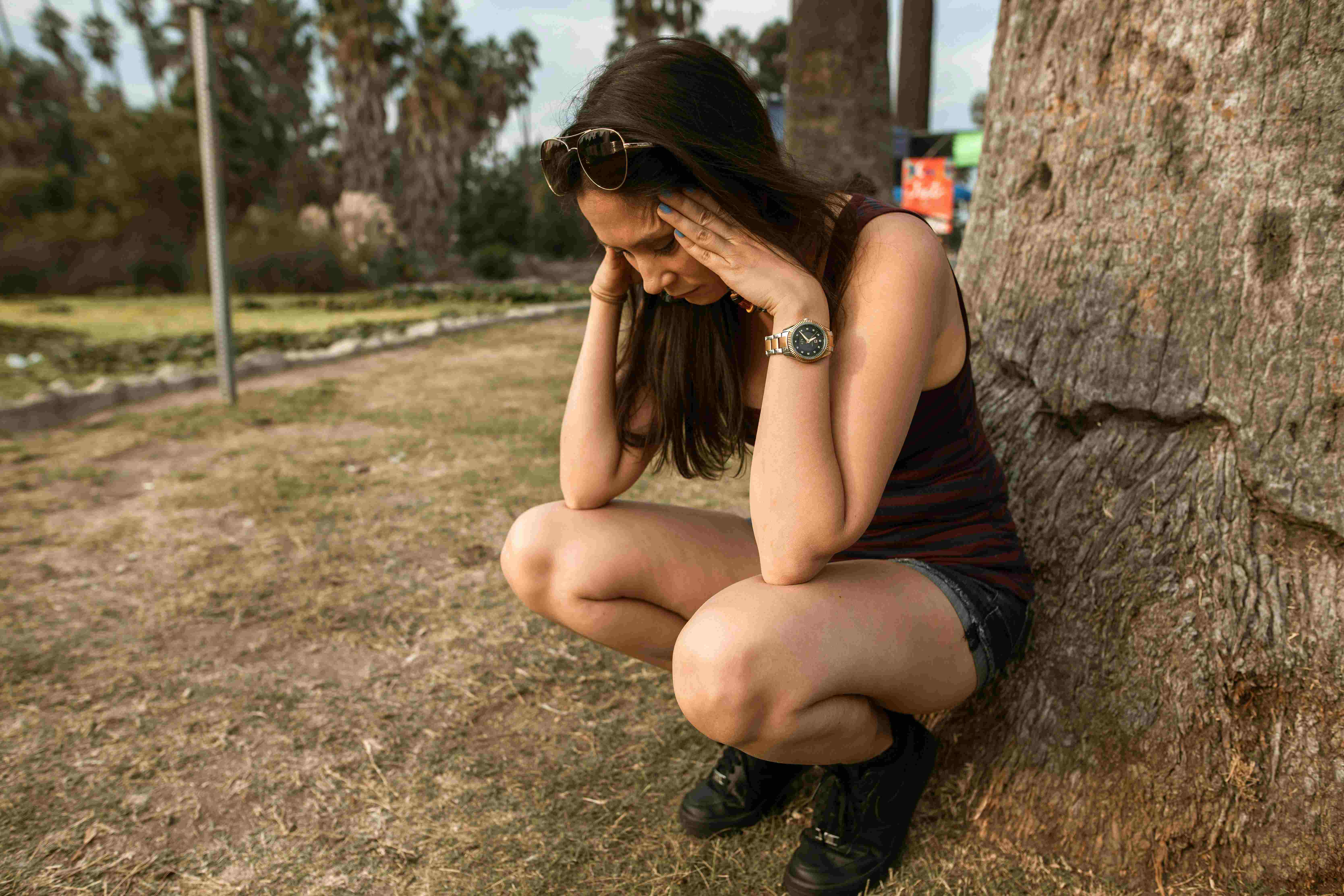
As humans we have the propensity to worry ourselves sick. Robert Sapolsky has identified that we are not only negatively impacted by the experience of stress but also by the anticipation of it. When in danger or even anticipating danger, this activation of the stress response can be just what saves us.
However, it is when this stress response is activated for irrational reasons or over something we have no control over that we label it anxiety. If our body remains in this state of constant stress it can negatively impact our health.
How can we change the way we cope with stress and thus reduce the consequences? One way is to engage in regular physical exercise that lowers your risk for heart disease, enhances mood, and reduces stress. Another way is to seek social support from others who are positive, encouraging, and helpful. You can find calm within the storm; just take one of these steps.
Written by Sarah W. Arnett, Psy.D.