

#709 - Fearing AI Employment
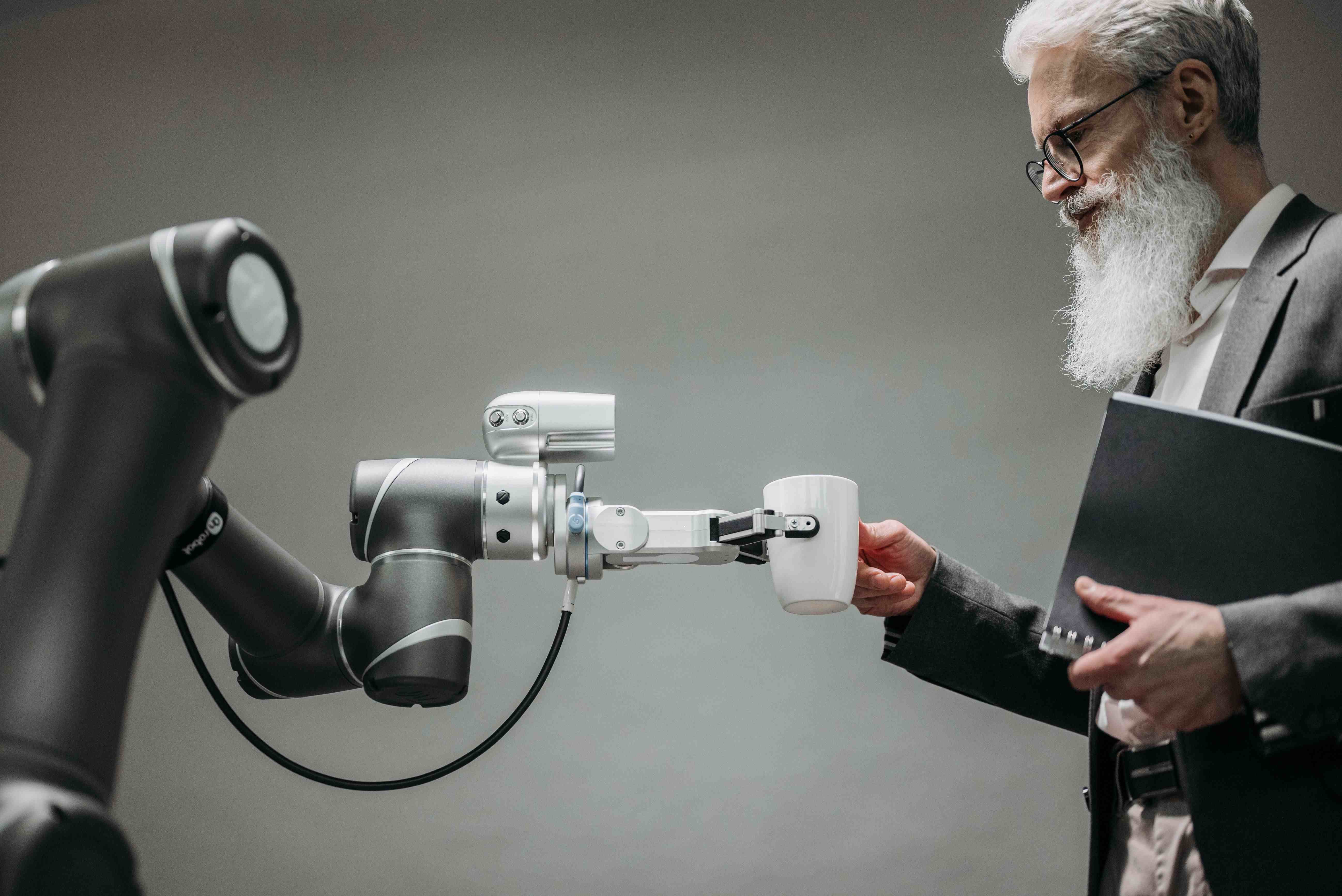
Why are some people more afraid of artificial intelligence or AI than others? Researchers from Germany, France, Canada, and Ireland examined why people in different countries have unique fears about AI taking over their occupations.
The study included 10,000 people from 20 countries, with 500 participants from each country. Researchers focused on six occupations: doctors, judges, managers, care workers, religious workers, and journalists. Participants rated how much they feared AI taking over each occupation. They also rated the traits each occupation needs, such as empathy and trust, and how well they thought AI could show those traits.
Results? Fear of AI varied across nationality and occupation. People tended to be less afraid of AI when they believed it showed human traits. Each occupation requirement that people believed AI could meet was linked to about a one-point drop in fear.
This suggests that fear of AI is not simply about the technology itself. People's ideas about what makes an occupation “human” also shapes how they feel about AI doing it.
Conclusions? Fear of AI is shaped by its human-ness. As AI becomes part of more areas of life, understanding these beliefs may help us have more balanced conversations about AI’s role.
Written by Dan Peacock M.S.