/prod01/fit-cdn-pxl/media/fit-website/site-assets/images/FT-Horiz_crimson-gold.png)
/prod01/fit-cdn-pxl/media/general-use-photos/ThinkstockPhotos-611992272.jpg)
#711 - Risk Perception
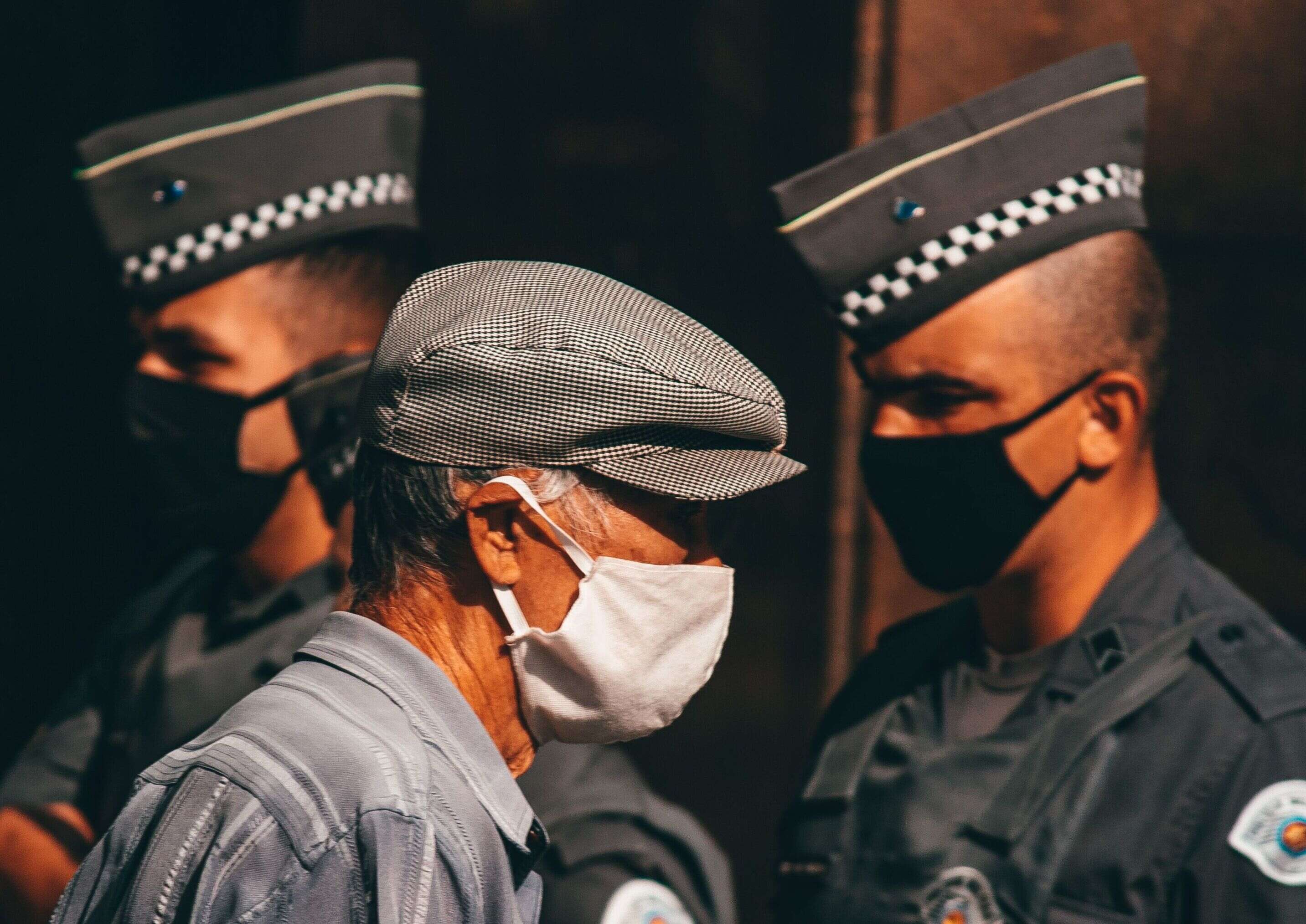
Why do some people disregard public health rules? Researchers in the US., Canada, and internationally studied whether symbolic thinking, or the tendency to connect deeper meanings to objects and events shapes how people assess risk, form opinions, or judge information..
Researchers conducted four studies with nearly 6000 participants across eight countries. They developed a measure called Symbolic Show of Strength (SSS), which captures the tendency to see conflicts as a symbol indicating strength and independence. In the COVID-19 context, this means treating the pandemic as a fight won through toughness, such as refusing to follow guidelines, rather than through following public health advice
Results? People scoring higher in symbolic thinking tended to see COVID-19 as less dangerous, viewed vaccines as riskier, and believe misinformation. They showed less analytical thinking, more conspiracy beliefs, and stronger preferences for social hierarchy. These links remained even after researchers accounted for other psychological and political factors.
In a fourth study, symbolic thinking also predicted how people view cryptocurrency risk and misinformation.
Lessons? Facts are not always judged on facts alone. People often ask what an issue represents about strength, freedom, or identity. Recognizing that symbolic thinking can shape our judgments helps us refine our beliefs.
Written by Dan Peacock M.S.