

Biomedical Sciences Research
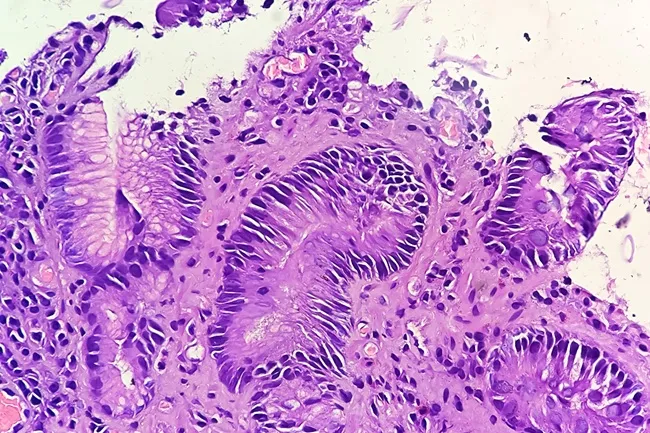
The extracellular matrix is the ‘scaffolding’ of our tissues, providing structural support and biochemical cues to maintain surrounding cells. We study how this dynamic matrix influences health and disease at mucosal surfaces, particularly the gastrointestinal tract. Our research aims to identify potential biomarkers for disease and targets for therapeutic intervention.
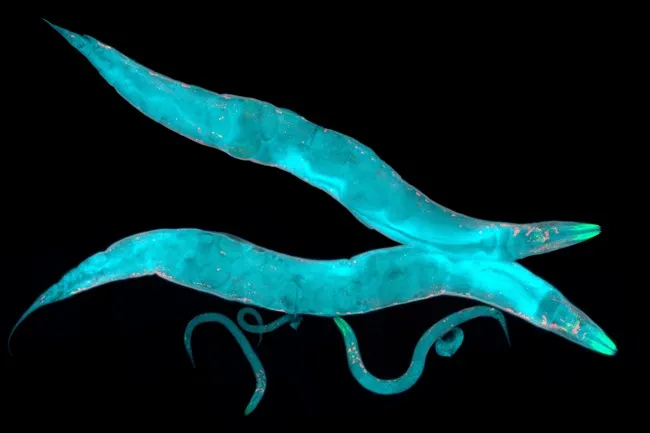
Genetic differences can make some individuals more susceptible to disease than others. Linking variation in DNA to disease-related traits can identify the genes and biological processes underlying these differences, potentially revealing new opportunities for personalized disease prevention and treatment.

This vital subdiscipline of biological science is primarily concerned with the brain's role in behavior and cognition. Our research investigates the cellular and molecular mechanisms that regulate synapse formation and maintenance, providing insight into how disruptions in these processes contribute to neurodegenerative diseases and may reveal future diagnostic and therapeutic targets.
This research encompasses the complex relationships between plants, microbes, invertebrates and vertebrates throughout all ecosystems. By investigating the molecular mechanisms underlying these interactions, our research contributes to applications such as improving crop resilience, disease resistance and nutrient use while helping plants thrive under challenging environmental conditions.
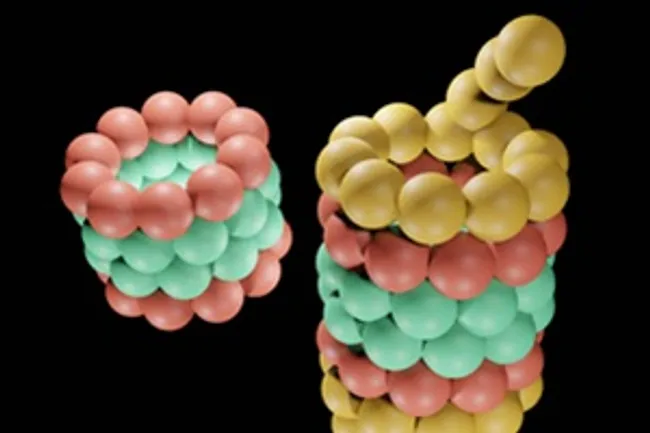
The ubiquitin-proteasome system (UPS) touches almost every aspect of cellular processes and is central to protein homeostasis in cells. UPS dysfunction is linked to diseases including cancer and neurodegenerative disorders. Our research examines how cellular signaling and autophagy regulate proteasome function to identify therapeutic targets for disease and aging.
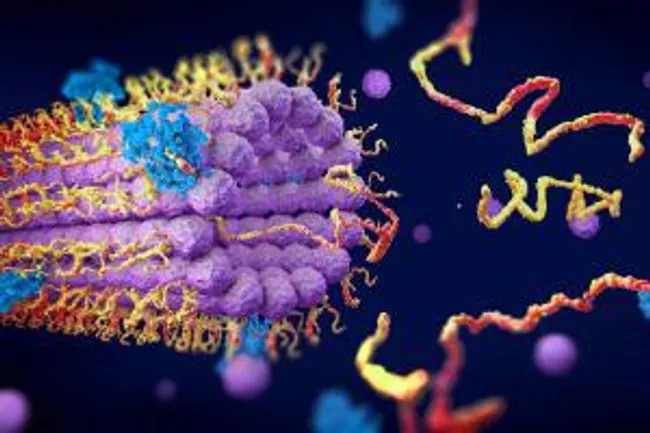
Proteins are versatile macromolecules that carry out crucial functions in nearly all biological processes. Our research examines their biochemical and biophysical properties, including the mechanisms underlying amyloid fiber and plaque formation associated with Alzheimer's disease and how these protein structures affect biological function.
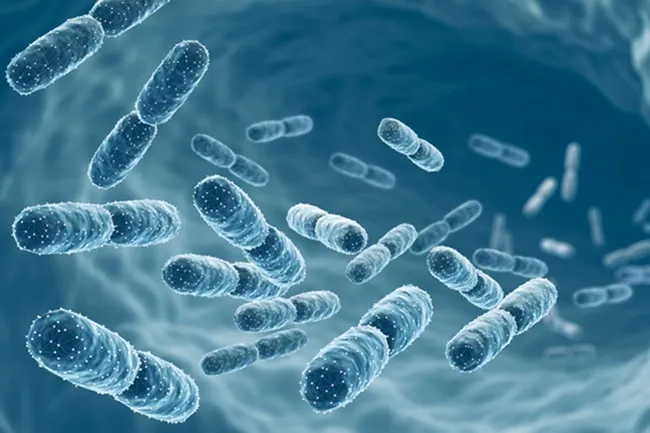
Synthetic biology applies engineering principles to the design and construction of biological parts, devices, and systems to achieve specific functions. Our research focuses on engineered microorganisms and their biomedical applications, particularly the development of living biotherapeutics for active molecule production and delivery.
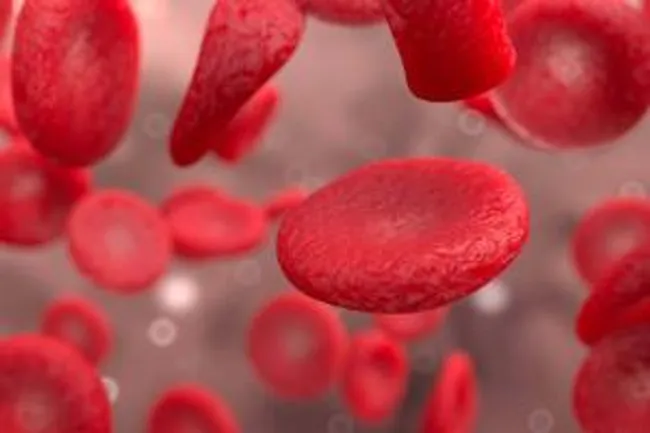
Cardiovascular disease is a leading global cause of death in large part from maladaptive remodeling of the vascular wall. Our research investigates the cellular, molecular and immune mechanisms underlying vascular dysfunction in conditions such as diabetes and hypertension, with the goal of identifying targets for managing vascular disease and maintaining healthy vascular function.